TAG Heuer Formula 1 Solargraph Marks Zandvoort’s Final Dutch Grand Prix
Some limited-edition watches feel as though the colour has been changed first and the story added afterwards. This new TAG Heuer Formula 1 Solargraph is a little easier to understand. Zandvoort is preparing to host its final Formula 1 Dutch Grand Prix in 2026 under the current agreement, and TAG Heuer has used one of the most recognisable colours in the grandstands to mark the occasion: orange. The result is a Formula 1 Solargraph that is bright without becoming cartoonish. More importantly, it still looks like a watch that could work after the race weekend is over. For readers who follow modern Swiss watches alongside more accessible alternatives, our wider replica watch stories and comparisons section covers similar releases from Rolex, Omega, Breitling, TAG Heuer and other familiar brands.
A Farewell Watch That Actually Fits Zandvoort
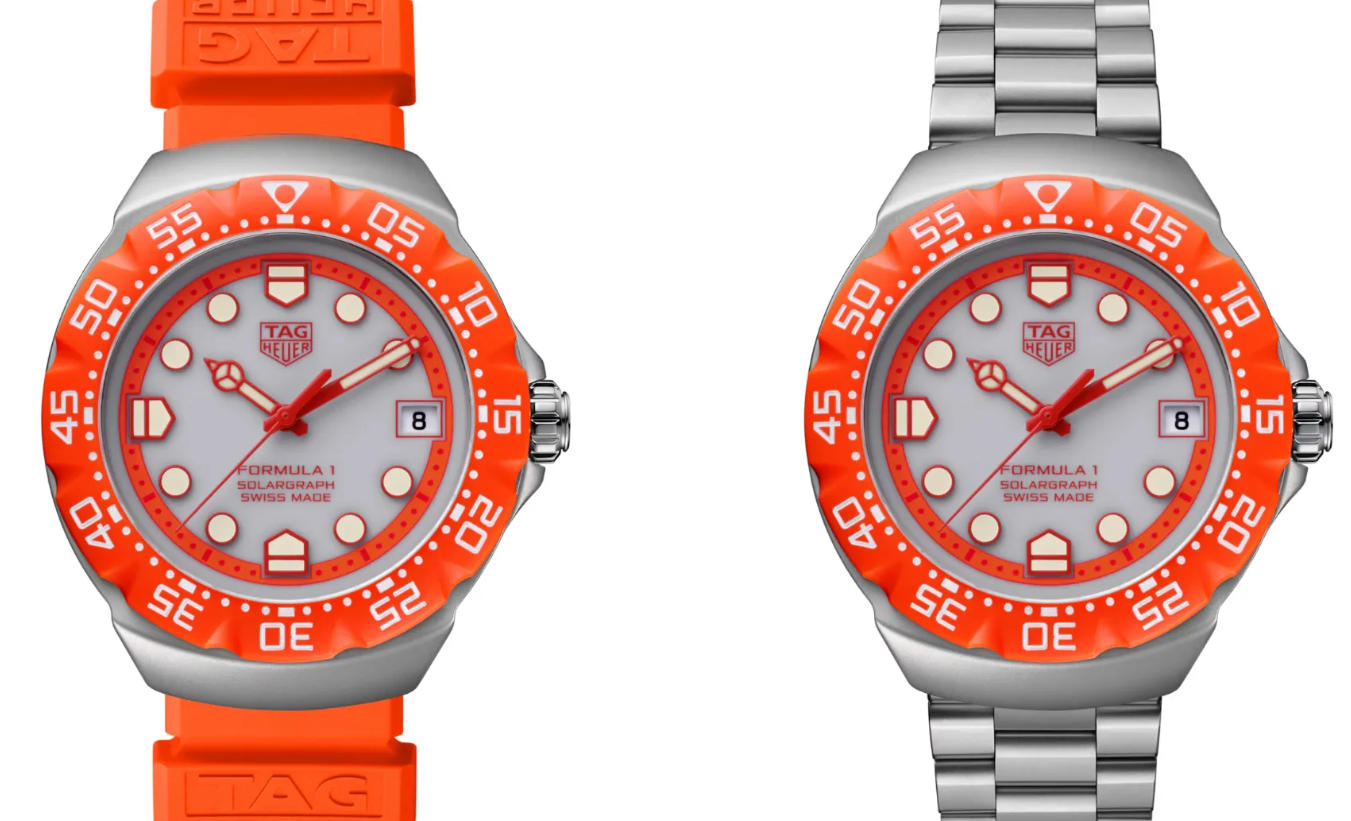
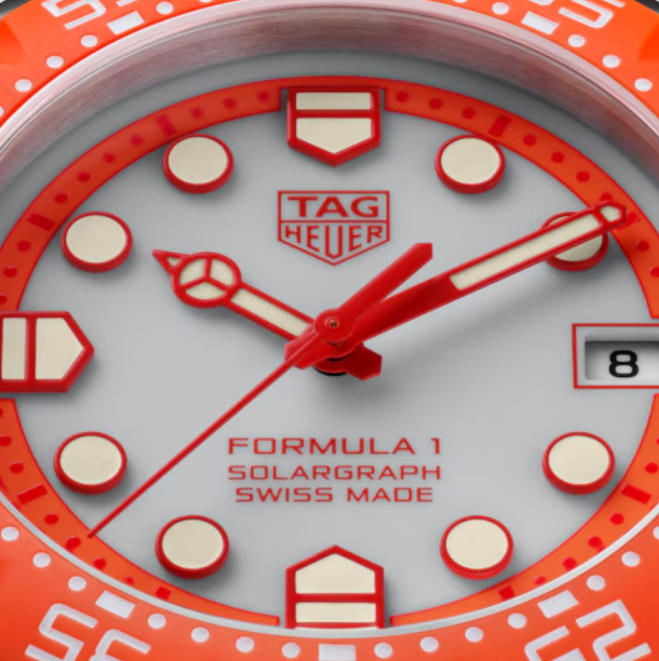
The Dutch Grand Prix returned to the Formula 1 calendar in 2021 and quickly developed a character of its own. The seaside circuit, banked corners and overwhelmingly orange crowd made Zandvoort one of the easiest races to recognise on television. Formula 1 has confirmed that the event will remain on the calendar through 2026 before the current run comes to an end. That makes the colour choice here fairly obvious, but TAG Heuer has avoided simply making the whole watch orange. Instead, a grey opaline dial gives the brighter elements some space. Orange appears around the outer section of the dial and across the bezel, while red is used for the hands, indexes and smaller details. The contrast is much more interesting than a straightforward team-colour treatment. It is this restraint that makes the TAG Heuer Formula 1 Solargraph Dutch Grand Prix edition work. From a distance it is energetic; up close, the muted steel and grey dial stop the design from feeling like race merchandise.
The 38mm Case Is One of Its Strongest Features
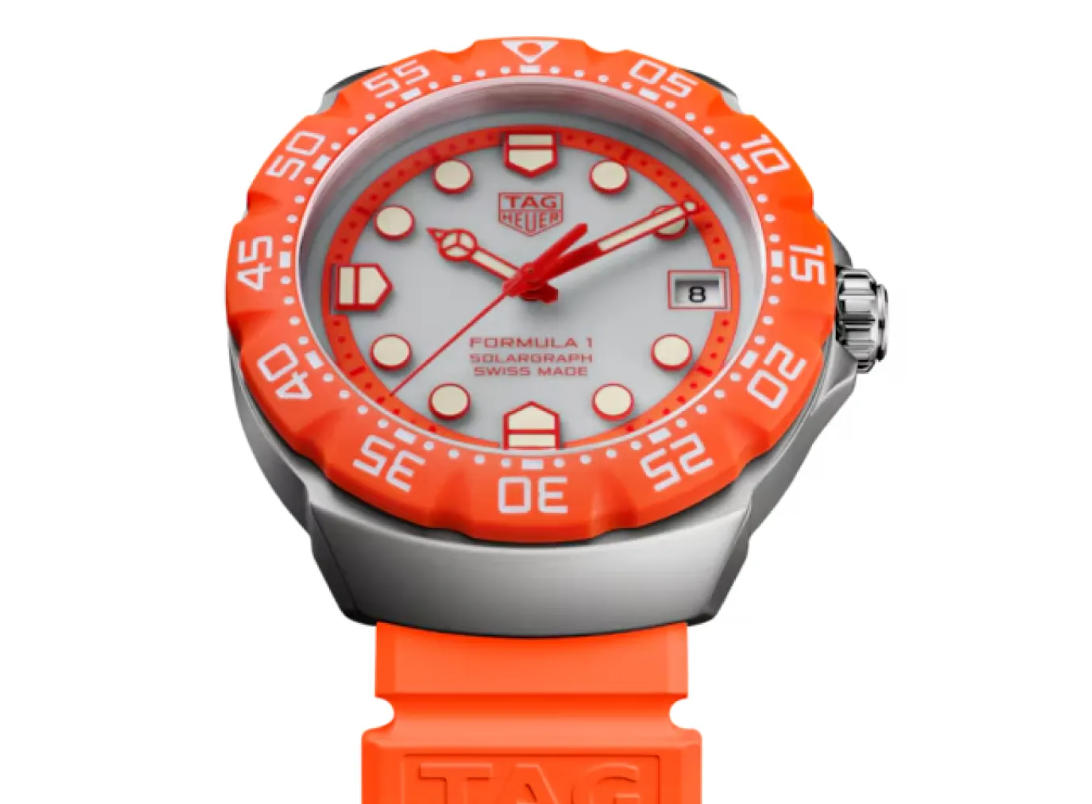
TAG Heuer uses a 38mm sandblasted stainless-steel case measuring 9.9mm thick. Water resistance is rated to 100 metres, which keeps the Formula 1 Solargraph comfortably within everyday sports-watch territory. The size deserves attention because it gives the watch a different personality from many modern motorsport pieces. There is no attempt to make it look oversized or mechanically aggressive. At 38mm, the proportions are compact enough to suit a wide range of wrists, particularly when paired with the orange rubber strap. The orange bezel is made from TAG Heuer’s TH-Polylight material and rotates in both directions. Against the sandblasted steel case, it provides most of the watch’s visual identity without making the case itself unnecessarily complicated. TAG Heuer also fits a sapphire crystal and places a date display at three o’clock. For anyone looking closely at the 38mm TAG Heuer Formula 1 Solargraph, the combination of a compact steel case and deliberately playful bezel is probably more important than the limited-edition label.
Orange and Red Should Clash, but Here They Do Not
Orange and red are not the safest colours to put next to each other on a small dial. TAG Heuer gets around that by allowing the grey base to do most of the quiet work. The dial is opaline grey, with orange concentrated around its perimeter. Red-lacquered hands and indexes sit above it, while eggshell-coloured Super-LumiNova softens the otherwise modern palette. In darkness, the luminous material glows green. The date window remains at three o’clock rather than being hidden or colour-matched into the dial. I prefer that decision to an entirely orange dial. A completely saturated design might have looked exciting in photographs but become tiring on the wrist. Here, the colour is strong enough to establish the Zandvoort connection while the centre of the dial remains relatively calm. It makes this one of the more convincing orange TAG Heuer Formula 1 Solargraph watches so far, especially for someone who likes the original Formula 1’s colourful personality but wants a more grown-up steel case.
The Solar Movement Suits the Formula 1 Better Than a Mechanical Calibre Would
Inside is TAG Heuer’s TH50-00 Solargraph quartz movement. It converts both natural and artificial light into energy, meaning normal exposure during everyday wear continually tops up the watch. TAG Heuer states that a full charge can provide up to ten months of autonomy, while even brief exposure to light can supply enough energy for a full day of running. The battery is designed for a lifespan of up to 15 years. Mechanical-watch enthusiasts may instinctively prefer an automatic movement, but I am not convinced that would improve this particular watch. The Formula 1 collection has always had a casual, colourful and practical side. Solar quartz preserves that character. There is no winding routine, very little day-to-day maintenance and no need to make the case thicker simply to give it a more complicated specification sheet. In other words, the movement feels appropriate rather than inexpensive. That distinction matters.
Rubber Strap or Steel Bracelet?
There are two references. WBY111H.FT8128 comes on a perforated orange rubber strap and is limited to 1,500 pieces. In the UK it is priced at £1,800. The WBY111L.BA0042 version uses a sandblasted three-row steel bracelet, is limited to 1,000 pieces and is priced at £1,900. The bracelet version is presented as an online exclusive. The £100 difference makes the choice unusually straightforward. The orange rubber version expresses the Zandvoort theme more clearly and looks more like the Formula 1 most people remember. The bracelet changes the personality considerably: it tones down the orange and makes the watch easier to wear outside summer. Personally, I think the rubber strap is the more memorable version. It completes the visual idea. The bracelet is arguably the more versatile choice, but once the orange strap disappears, some of the reason for buying this particular limited edition disappears with it.
Where It Fits Within Modern TAG Heuer
TAG Heuer has been leaning heavily into its motorsport history, but the Formula 1 line occupies a different space from the Carrera or Monaco. It is less formal, less concerned with traditional mechanical-watch expectations and more willing to use colour and unconventional materials. That also makes it useful when comparing the different directions TAG Heuer has taken in recent years. Readers interested in the broader range can browse our TAG Heuer replica watch coverage, where we follow Carrera, Monaco, Aquaracer and other TAG Heuer designs alongside Formula 1 releases. The Zandvoort Solargraph is particularly effective because it does not pretend to be anything more serious than it is. It is a compact, colourful, solar-powered sports watch linked to a specific moment in Formula 1 history.
Final Thoughts
Limited editions built around races can easily become forgettable once the chequered flag falls. This one has a better chance of lasting because the design works without knowing the backstory. The limited-edition TAG Heuer Formula 1 Solargraph 38mm gets several basics right: the case is sensibly sized, the solar movement suits the personality of the collection, and the grey dial gives the orange and red accents enough room to breathe. The Zandvoort connection explains the colour scheme, but it does not dominate the entire watch. I would still hesitate to call it understated. An orange bezel and matching rubber strap are never going to disappear under a cuff. But that is precisely the point of the Formula 1 collection. It has always been at its best when TAG Heuer allows it to be a little less serious than the rest of the catalogue. As a farewell to Zandvoort’s current Formula 1 chapter, this feels appropriately bright. As a watch, it is probably the compact proportions and low-maintenance Solargraph movement that will matter long after the 2026 Dutch Grand Prix is over.