Buying Advice That Goes Beyond the Photographs
Choosing a watch is often more complicated than finding a design you like. Two watches can look almost identical in photographs yet feel completely different on the wrist. Case proportions, movement quality, finishing and the way a bracelet fits all make a difference.
At WatchesBuying, we explore the details behind familiar watch designs and explain what readers should consider before making a decision. Whether you are researching an original Swiss watch, considering a pre-owned model or comparing replica watches, understanding what you are looking at is a useful place to start.
Start With the Watch, Not the Brand
It is easy to become attached to a particular brand before considering whether its watches actually suit your needs. A large chronograph might look impressive in photographs but feel uncomfortable during an ordinary working day. A smaller three-hand watch may be less striking but considerably easier to live with.
Think about when and where you expect to wear the watch. Consider the diameter, case thickness, lug-to-lug length and bracelet adjustment. If possible, try a similarly sized watch before making a purchase.
Choosing the right watch for your wrist involves more than following the latest trends. A comfortable watch that suits your daily routine is often more satisfying than one chosen entirely for its appearance.
Look Closely at the Details
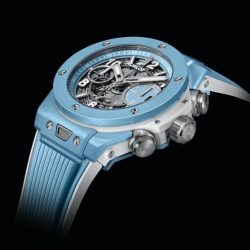
Product photographs can hide as much as they reveal. Lighting affects the appearance of dial colours, polished surfaces and brushed metal. A photograph taken directly from above also tells you very little about how thick a watch might feel.
Look for clear images of the case from several angles, including the side profile, caseback, bracelet and clasp.
Pay particular attention to the relationship between the bezel, dial and hour markers. Small differences in these areas can noticeably change the appearance of an otherwise familiar design.
For replica watches, photographs of an original model should never be treated as evidence of what a replica actually looks like. Request images of the specific product and make sure the seller’s descriptions match those images.
Understand What You Are Paying For
Materials, movement construction and finishing can account for substantial differences between watches with similar appearances.
Original luxury watches may use proprietary alloys, individually decorated movement components and elaborate case-finishing processes. An inexpensive watch inspired by the same design may reproduce its general appearance without sharing those manufacturing methods.
Claims such as Swiss movement, sapphire crystal or ceramic bezel should be supported by reliable product information. These features should not be assumed from the appearance of a watch.
When comparing an original model with a replica, the difference between appearance and construction is particularly important. A watch may resemble an expensive mechanical chronograph while containing a simpler quartz movement or a different automatic calibre.
Consider the Practical Side of Ownership
Before buying, think about maintenance. Mechanical watches eventually require servicing, while quartz watches may need a battery replacement. Solar-powered models introduce another option, although their charging and maintenance requirements vary.
Water resistance deserves similar attention. A watch’s appearance does not establish its ability to withstand water. Claims made for an original model do not automatically apply to an imitation.
Replacement parts, bracelet adjustments and access to a qualified watchmaker can also affect long-term ownership.
A watch that appears inexpensive at first may become less appealing if repairs are difficult or its components cannot be replaced.
Understand the Risks of Replica Watches
Replica watches vary considerably in construction and quality. Product descriptions and marketing claims are not reliable substitutes for documented specifications and independent examination.
Before purchasing, consider the applicable trademark and import laws, seller transparency, payment protection and the availability of after-sales support. Rules differ between jurisdictions, and branded counterfeit goods may face restrictions or seizure.
Be cautious of sellers who use official product photographs to represent replicas, make unverifiable claims or provide no meaningful return information.
Most importantly, do not assume that a replica includes the same movement, materials, manufacturing standards or warranty as the original watch.
Explore Different Watch Designs
Some collections have maintained a recognisable appearance for decades. Others have developed through changes in case construction, movement technology and everyday functionality.
Rolex is a useful starting point for understanding these differences. The Submariner, Daytona and Datejust have distinct purposes, proportions and visual characteristics, even though all three share a familiar brand identity.
Explore our Rolex replica watch articles to learn more about the designs and details associated with these collections.
Making a More Informed Decision
Buying a watch should not feel like a race to choose the most recognisable name or the most complicated specification sheet.
Take time to understand its dimensions, construction, movement and maintenance requirements. Compare reliable information, question exaggerated claims and consider whether the design suits your everyday life.
Those are the details that remain important long after the initial excitement of choosing a new watch has passed.